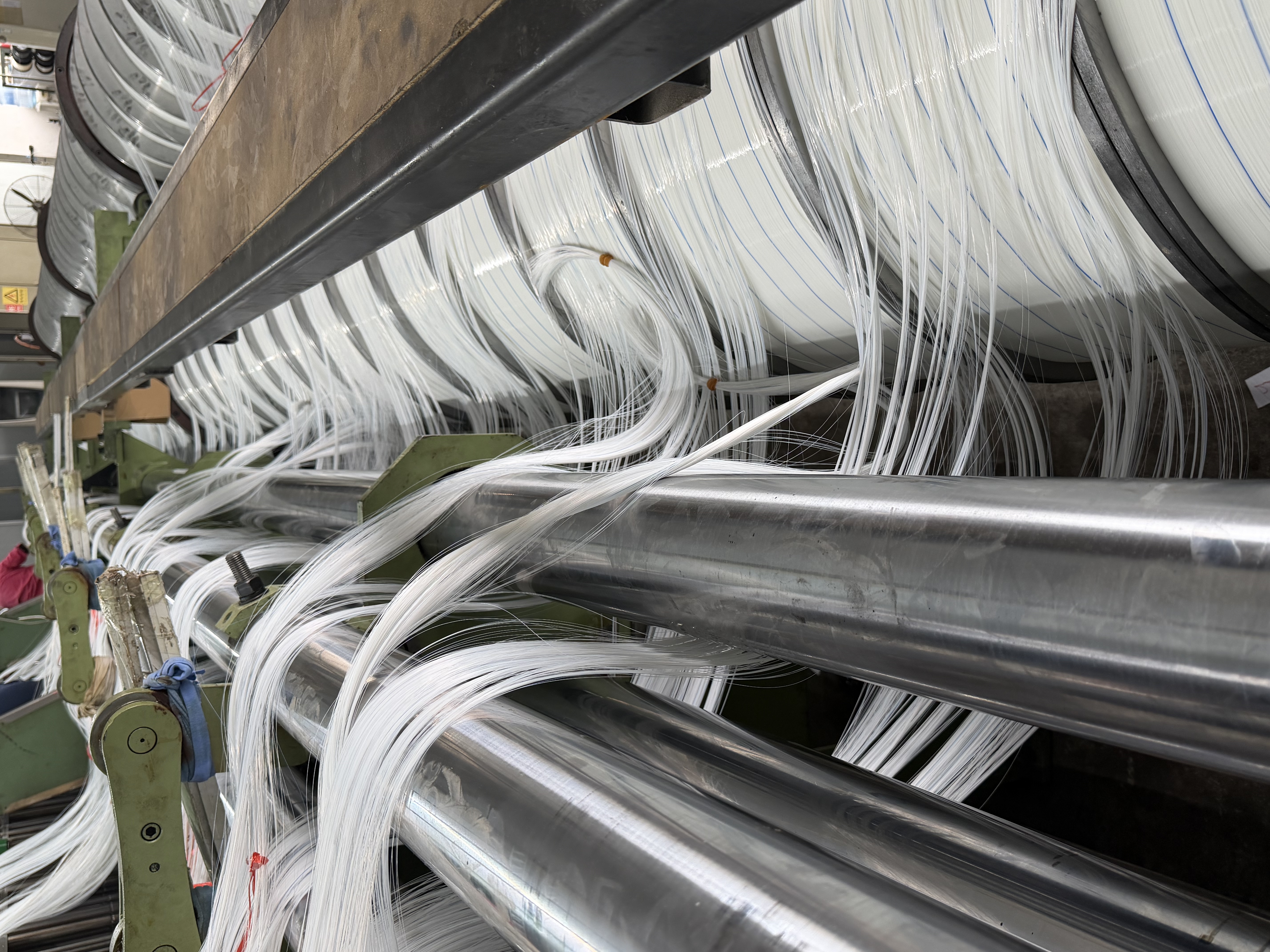
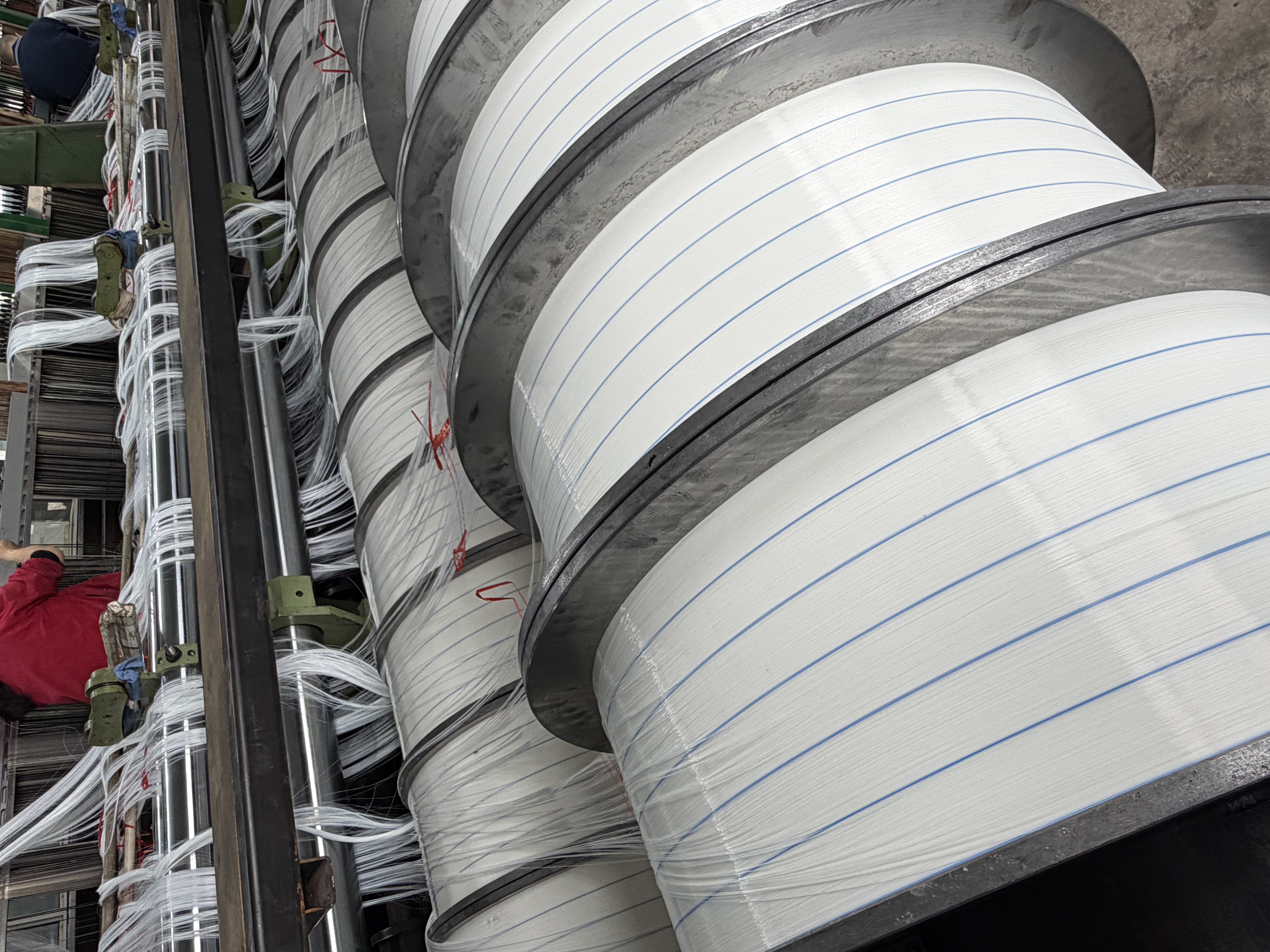
Every sheet of quality paper begins with a stable, precise, and durable forming fabric. And the soul of a forming fabric lies in the tension and interweaving of each single thread.
Craftsmanship in Threading: A Look Inside Our Forming Fabric Weaving Shop
While automation is widespread today, we still value and retain manual threading as a key process. Machines deliver efficiency, but human experience and touch give a fabric true stability and service life.
Recently, we visited our threading workshop to capture the real moments of manual threading. Let us take you closer to see how a high-performance paper machine forming fabric is "threaded" by skilled hands.
Manual Threading: Not Replacing Machines, but Going Beyond
Many assume forming fabric threading is fully automated. In reality, for high-end, multi-layer, and customized structures, manual threading remains an irreplaceable core process.
Why manual threading?
Flexibility for complex weaves – Machines struggle with multi-layer or irregular patterns; skilled workers handle them with ease.
Real-time tension sensing – Experienced hands feel the tension of each thread and adjust instantly.
Immediate defect detection – Skipped threads, misalignment, or broken yarns are spotted and corrected on the spot.
Fast switching for small batches – No lengthy machine reconfiguration; ideal for diverse customer requirements.
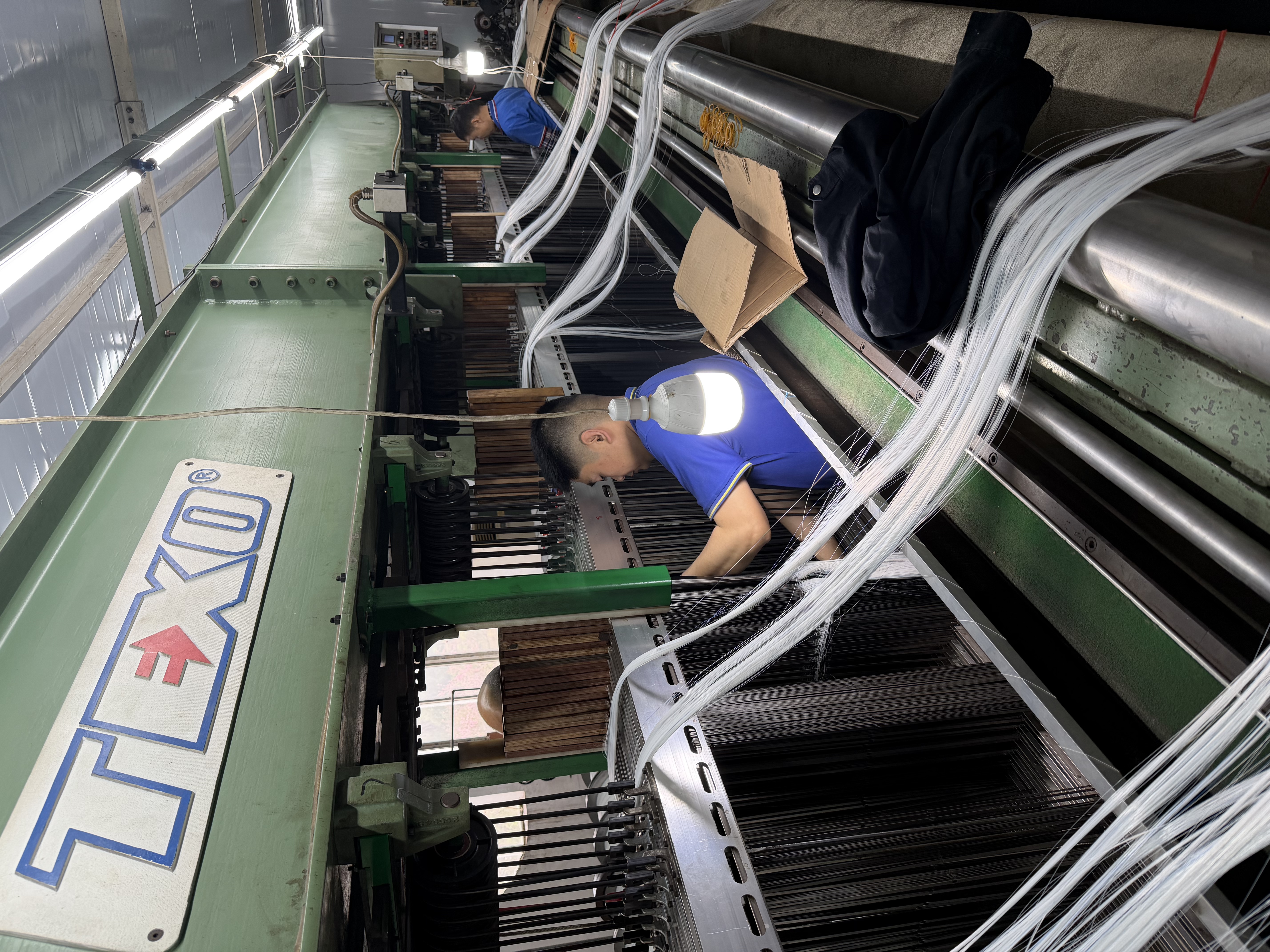
Manual Yarn Insertion: Eyes, Hands, and Focus
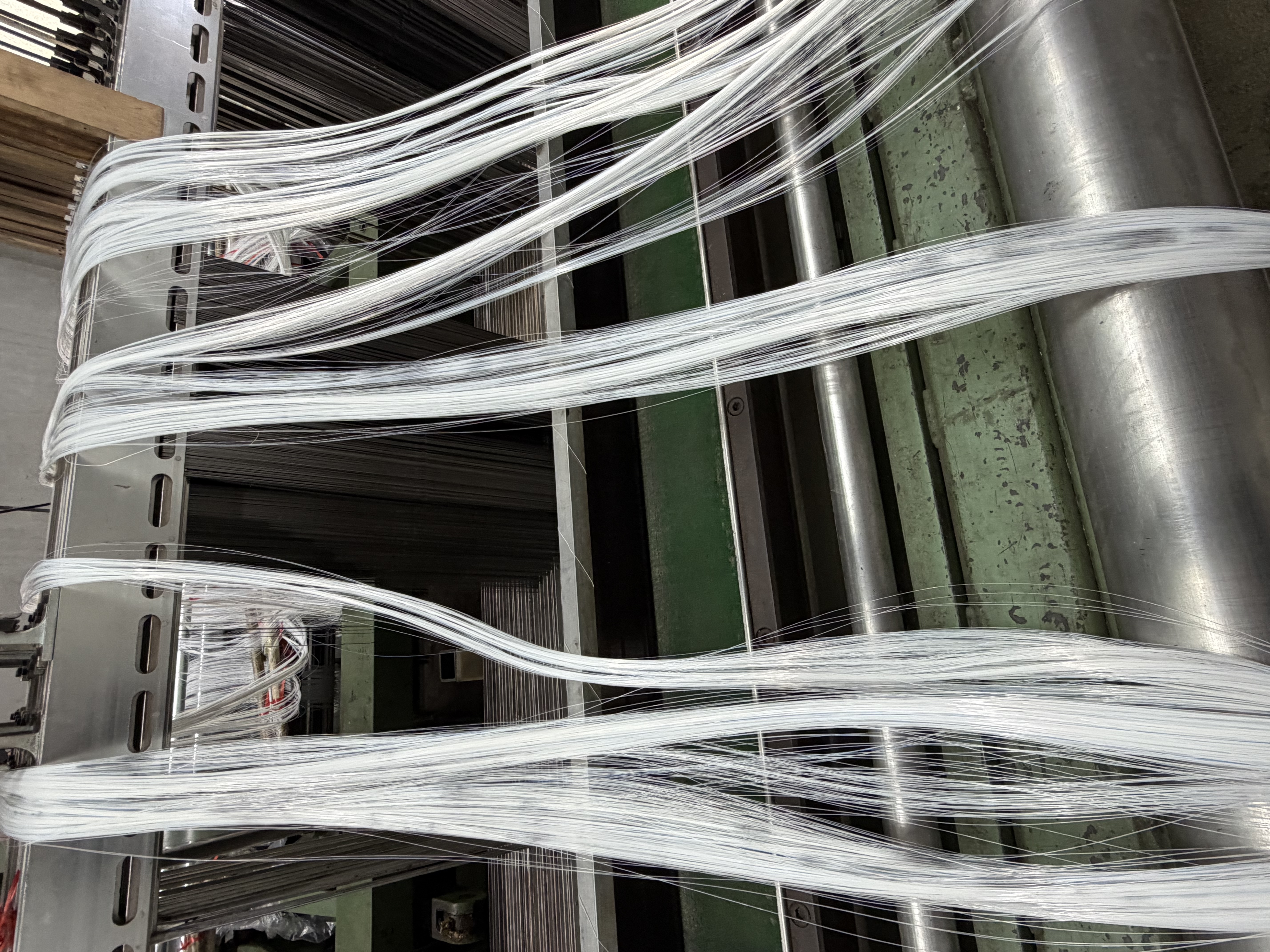
The operator sits at the threading stand, using both hands to guide each weft yarn through the warp layers in sequence. The position, entry angle, and tension of every thread rely on experience and feel.
Each simple "insert and pull" motion comes from years of training. A skilled worker completes only a limited number of weft threads per minute – slow, but must be accurate.
Touch Inspection at Intervals
After threading a certain width, the operator gently strokes the fabric surface with a palm to feel for uneven tension, sagging, or ridges. Any issue is corrected immediately.
Our Master Threaders In our workshop, the average experience of threading operators is over 8 years.
- They can feel tension differences as fine as 0.01 mm by touch
- They spot skipped threads, misalignment, or double yarns at a glance
- They know the subtle differences in tightness required for different paper grades (fine paper / packaging / specialty paper)
What machines cannot "feel," they can.
Why We Insist on Manual Threading?
For customers who demand uniform air permeability, flat fabric surface, and long service life, the consistency and controllability of manual threading cannot be replaced by full automation.Our customers produce fine paper, packaging paper, specialty paper – each with different machine parameters. Only manual threading can truly deliver a custom solution for each machine.
If you are looking for stable, long-life, evenly permeable forming fabrics for your paper machines, please contact us to arrange a technical discussion. You are also welcome to visit our threading workshop and see for yourself how skilled hands "thread" a quality forming fabric.